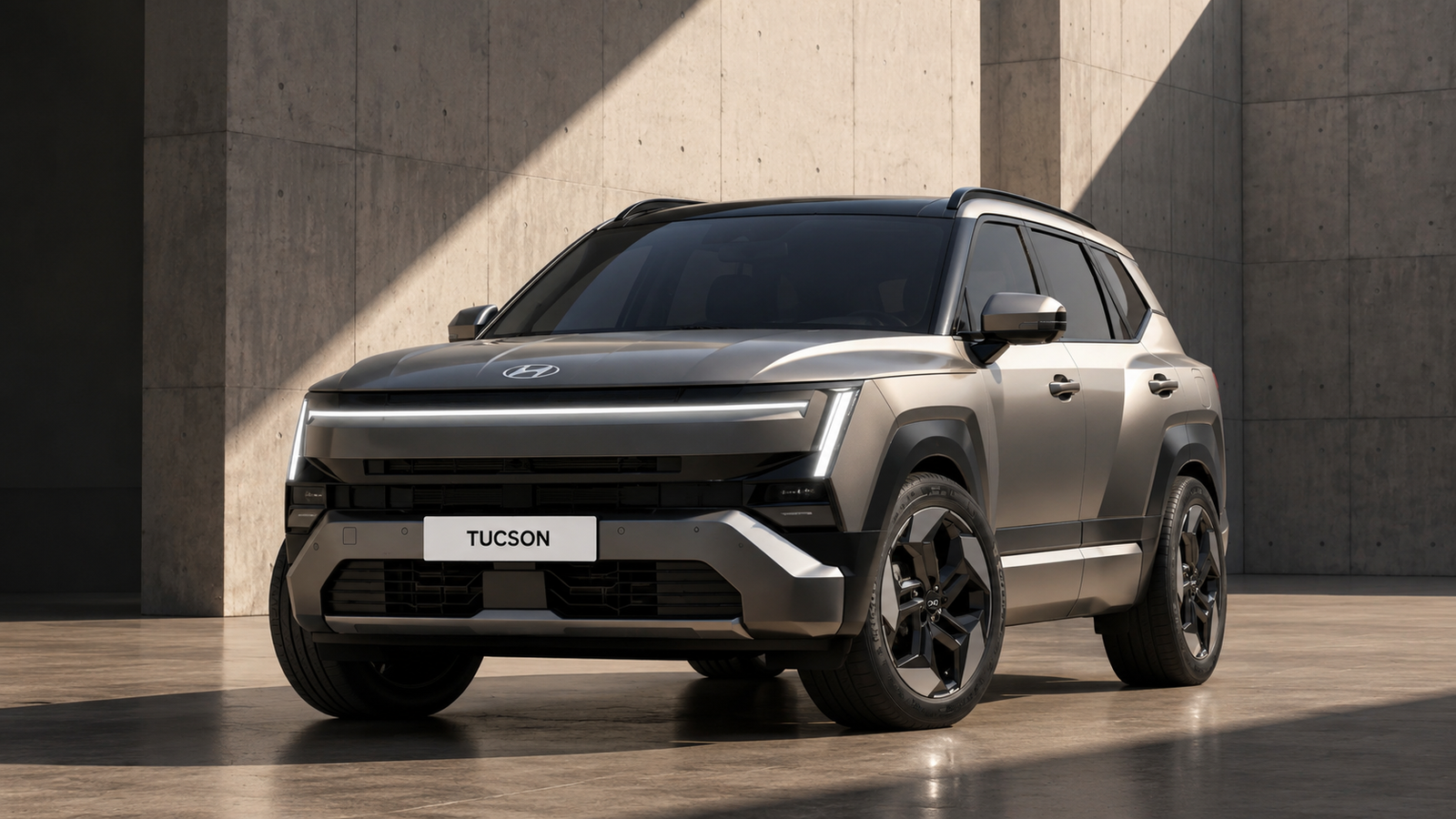
The next model of the electric compact crossover has somewhat more power and torque.
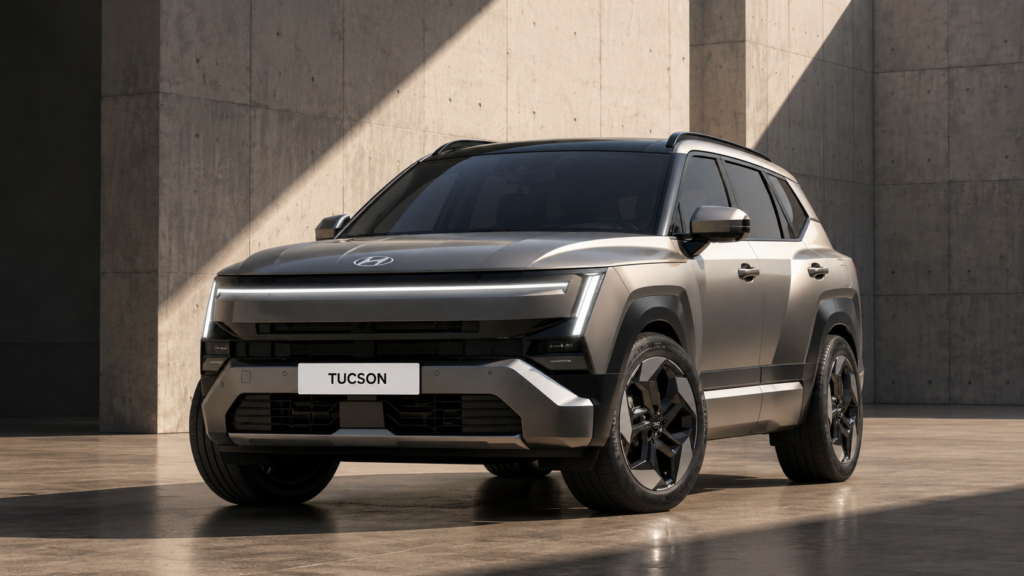
A hybrid drivetrain based on a 1.6-liter gasoline turbocharged engine will be offered for the next Tucson.
There are also plans for a non-electric variant of the same engine.
In Q4 2026, Hyundai will introduce the small crossover in Korea; a worldwide deployment is scheduled for 2027.
We keep coming across tidbits of fresh information regarding upcoming models as we sift through Hyundai’s massive 101-page presentation that was produced for investors this week. We can now reveal the initial technical details of the 2027 Tucson after discovering a new lineup of more affordable performance automobiles in addition to range-extended electric vehicles.
For its upcoming iteration, the compact crossover has undergone a significant facelift and has improved stats to match. A turbocharged 1.6-liter gasoline engine at the heart of an improved hybrid powertrain will provide slightly more power and torque than the previous model. The electrified Tucson has been rated by Hyundai at 242 horsepower and 280 lb-ft (380 Nm), which is an increase of 11 horsepower and 9 lb-ft (12 Nm).
The new Tucson Hybrid is 0.3 seconds faster than its predecessor, reaching 62 mph (100 km/h) in eight and a half seconds. It won’t make your heart race, but because the hybrid is all about efficiency, that’s not the goal. In relation to it, Hyundai asserts that it can travel 17.4 kilometers per liter, or over 41 miles per gallon.
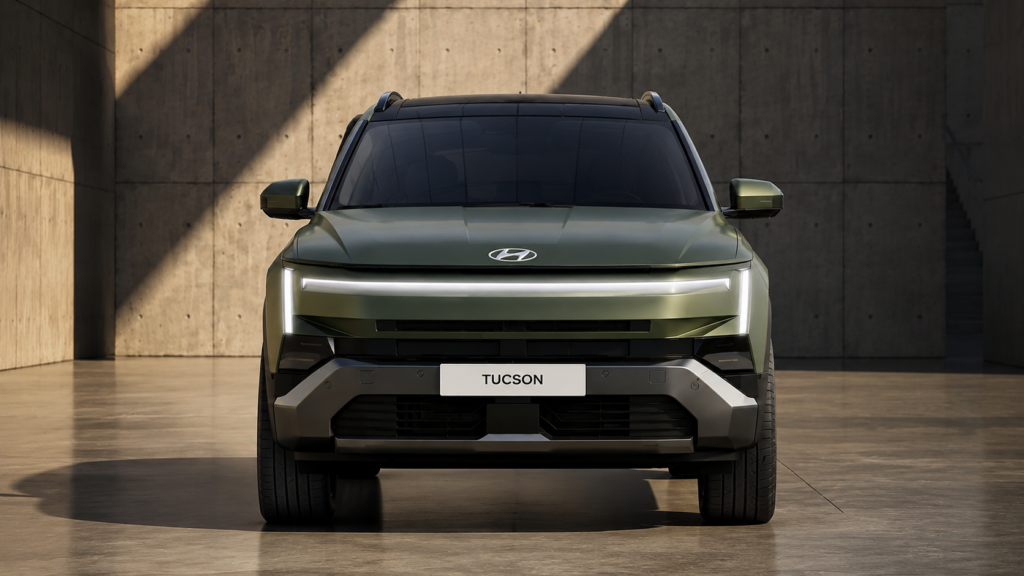
Hyundai Tucson: Fuel Economy
But we must draw a crucial distinction. The EPA ratings will differ from Hyundai’s fuel efficiency figures because they are based on the Korean test cycle. To refresh your memory, the departing model can achieve up to 38 mpg on a combined cycle. The growth spurt may largely offset any improvements to the hybrid powertrain because this new generation is larger and consequently probably heavier than its predecessor.
The sixth-generation Tucson with a 1.6-liter turbocharged non-electric engine will also be sold by Hyundai. It will have about 177 horsepower and 160 lb-ft (217 Nm) of torque, which is 27% less than the hybrid. Additionally, it will be far slower, requiring an additional full second to reach 62 mph (100 km/h) at 9.5 seconds.
Naturally, the new Tucson with a traditional gas engine will be much less fuel-efficient. According to Hyundai, the fuel efficiency of the ICE-only model is 43% worse than that of the hybrid. By making fewer trips at the petrol station, hybrid owners can cover the difference in purchase price, depending on mileage.
Other powertrains have not been confirmed; however, it is reasonable to anticipate the presence of a plug-in hybrid and potentially a diesel in certain markets with more permissive emissions regulations.
The next-generation Tucson will be available for purchase in Korea during the fourth quarter of the year, with a global launch scheduled for 2027.
2027 Hyundai Tucson
Although the 2027 Tucson’s increased power and torque are positive developments, efficiency—rather than performance—should continue to be the hybrid’s primary benefit. The main concern is whether the improvements made by the enhanced powerplant will be diminished by the larger, maybe heavier body. It’s too soon to tell if the new Tucson Hybrid will be more cost-effective in practice until we receive EPA data.
In markets where hybrids are still much more expensive, the traditional 1.6-liter turbo is a more appealing option, particularly if Hyundai can maintain the price difference large enough to support its greater fuel usage. The hybrid will be more advantageous for those who plan to keep the car for a long time.
When Will The 2027 Hyundai Tucson Hybrid Be Available In Canada, 2027 hyundai tucson hybrid release date
Leave a Reply